
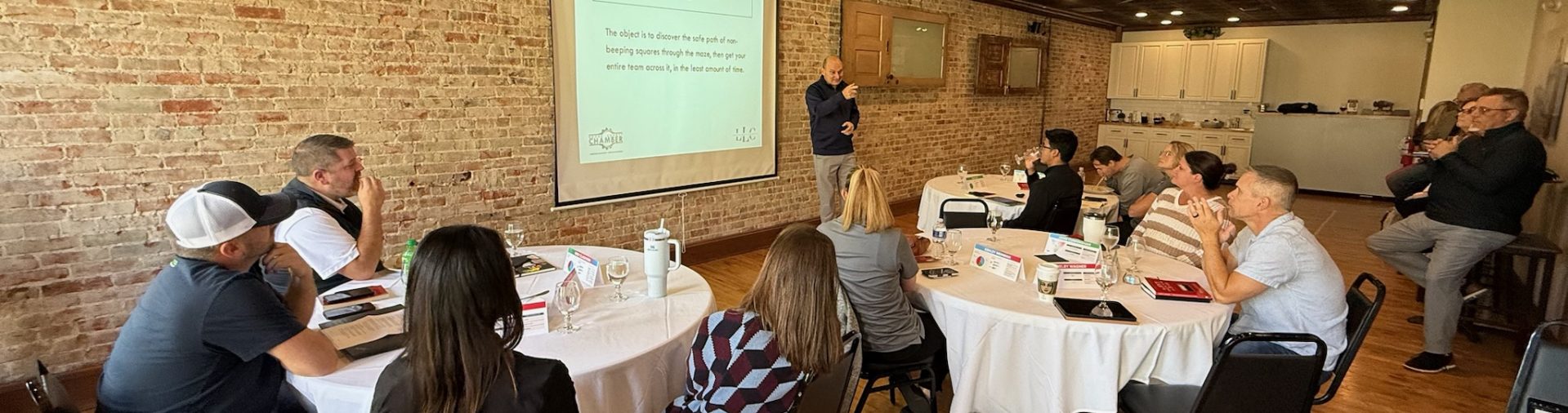
Team Alignment & Leadership Development
Build a healthier team. Clarify the work. Strengthen ownership.
Most team issues are not simply people issues. They are often clarity issues, communication issues, role issues, rhythm issues, or accountability issues that have gone unaddressed long enough to become personal.
When a leadership team is not aligned, the effects show up everywhere. Meetings become inefficient. Decisions take longer. Priorities compete. Tension builds. People either over-function, withdraw, or work around one another instead of with one another.
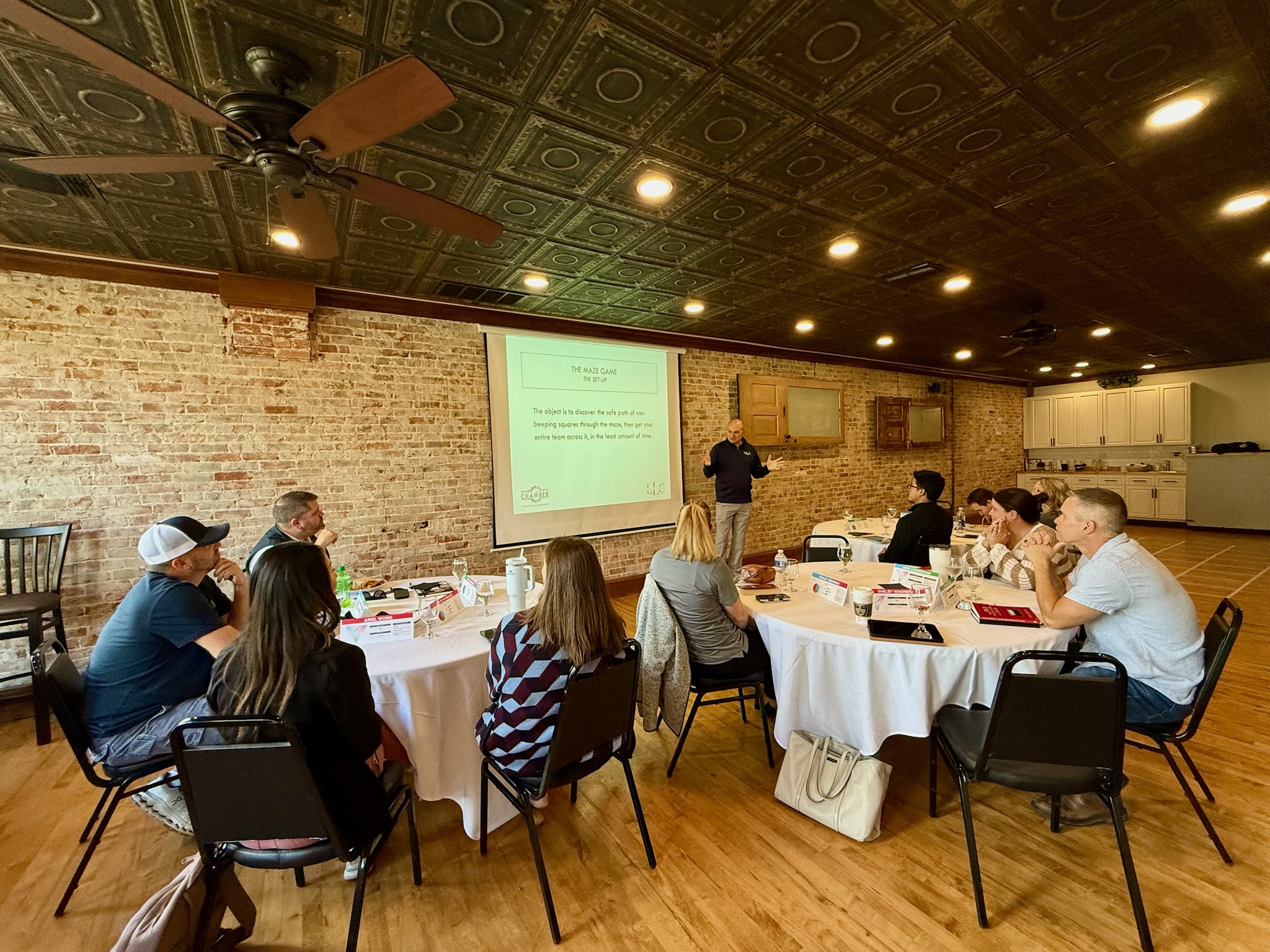
Team Alignment & Leadership Development is designed to help leadership teams step back, name what is really happening, clarify how the team needs to work together, and build healthier rhythms for communication, accountability, and execution. This work is practical, relational, and customized to the realities of your team.
Most team issues are not simply people issues. They are often clarity issues, communication issues, role issues, rhythm issues, or accountability issues that have gone unaddressed long enough to become personal.
When a leadership team is not aligned, the effects show up everywhere. Meetings become inefficient. Decisions take longer. Priorities compete. Tension builds. People either over-function, withdraw, or work around one another instead of with one another.
Team Alignment & Leadership Development is designed to help leadership teams step back, name what is really happening, clarify how the team needs to work together, and build healthier rhythms for communication, accountability, and execution. This work is practical, relational, and customized to the realities of your team.
When Team Alignment Is Needed
Team alignment work may be helpful when your leadership team is working hard but not always in the same direction. You may be noticing that meetings feel inefficient, reactive, or unclear. Roles and responsibilities may have become blurry. Accountability may be inconsistent or overly dependent on one person. Communication gaps may be creating frustration, rework, or unnecessary tension.
In some organizations, the issue is not effort. The team is full of capable people who care deeply about the work, but the pace, complexity, or lack of clarity has created patterns that are hard to break. Leaders may avoid necessary conversations, operate in silos, or leave meetings with different assumptions about what was decided and who owns the next step.
The goal of this work is not to create artificial harmony. Healthy teams need honest dialogue, clear expectations, and productive conflict. The goal is to help the team move from unclear, reactive, or unhealthy patterns into greater trust, clarity, ownership, and follow-through.
What We Work On
Team alignment work often begins with role clarity. When leaders are not clear on who owns what, where decisions belong, or how different functions need to work together, confusion eventually turns into frustration. Clarifying roles, responsibilities, and decision rights helps reduce unnecessary tension and gives the team a stronger foundation for execution.
What We Work On
Team alignment work often begins with role clarity. When leaders are not clear on who owns what, where decisions belong, or how different functions need to work together, confusion eventually turns into frustration. Clarifying roles, responsibilities, and decision rights helps reduce unnecessary tension and gives the team a stronger foundation for execution.
We also look closely at communication and accountability. Many teams do not struggle because people are unwilling to work hard. They struggle because expectations are unclear, commitments are not consistently tracked, and important issues are either discussed repeatedly without resolution or avoided altogether. By strengthening communication patterns, meeting rhythms, and follow-through, the team begins to operate with more focus and less reactivity.
A significant part of the work may also involve team dynamics. Every leadership team develops patterns over time. Some are healthy and productive. Others quietly create distrust, hesitation, or unnecessary friction. Through facilitation, coaching, and honest conversation, we work to surface the patterns that are shaping the team and help leaders engage them constructively.
My Approach
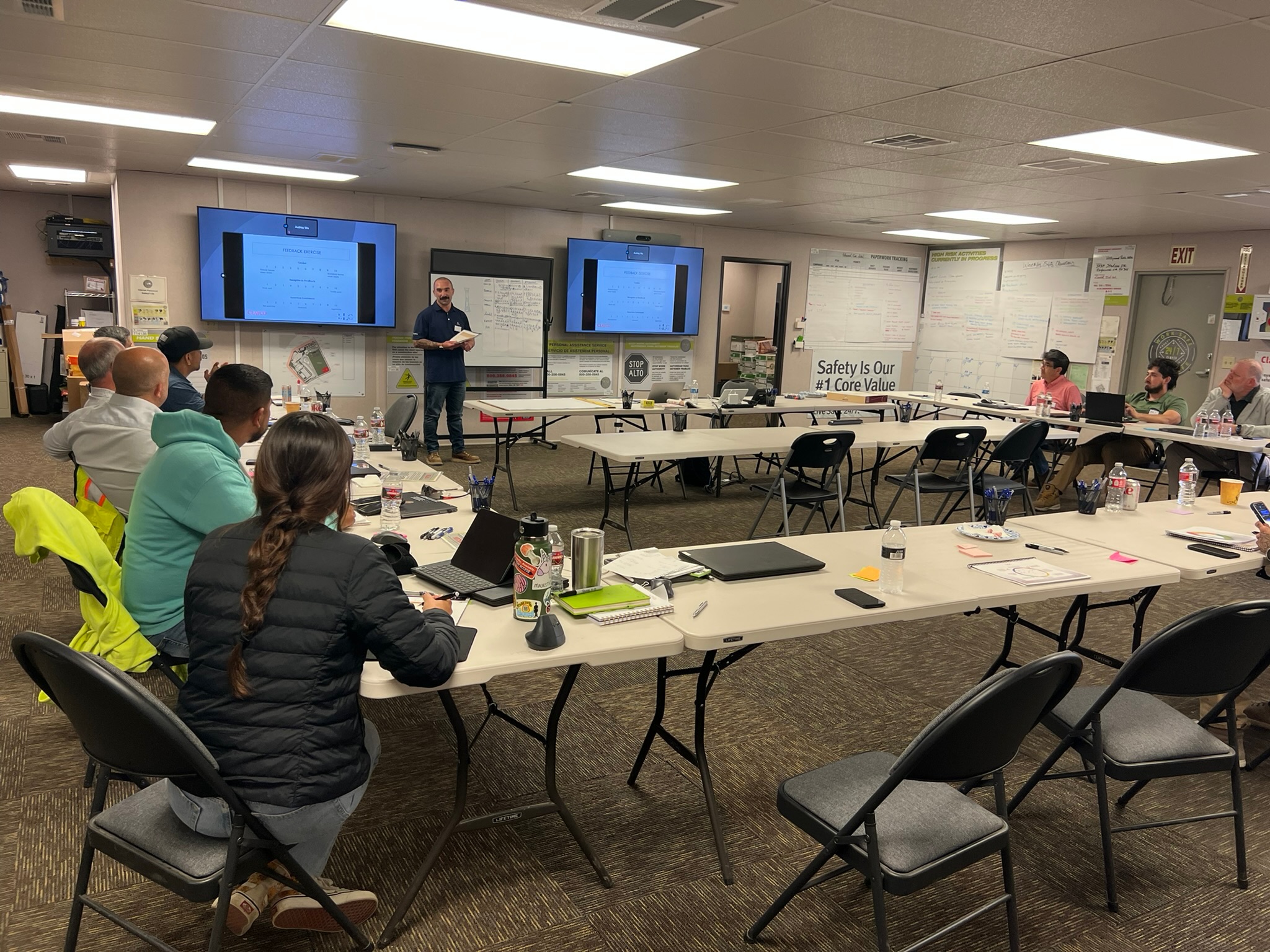
I work with teams at the intersection of facilitation, executive coaching, strategic advisory, and leadership development. The process often begins with listening. Before trying to solve the team’s challenges, I work to understand the business context, leadership structure, team dynamics, pressure points, and the outcomes that matter most.
From there, engagements may include leadership interviews, team assessments, facilitated alignment sessions, 360-style feedback, operating rhythm design, coaching for key leaders, and follow-up support to help the work move from conversation to execution.
This is not a generic workshop. The goal is not simply to deliver a good offsite or create temporary energy in the room. The goal is to help your team address the real issues beneath the surface and create practical next steps that can be carried into the daily work of the business.
Common Engagements
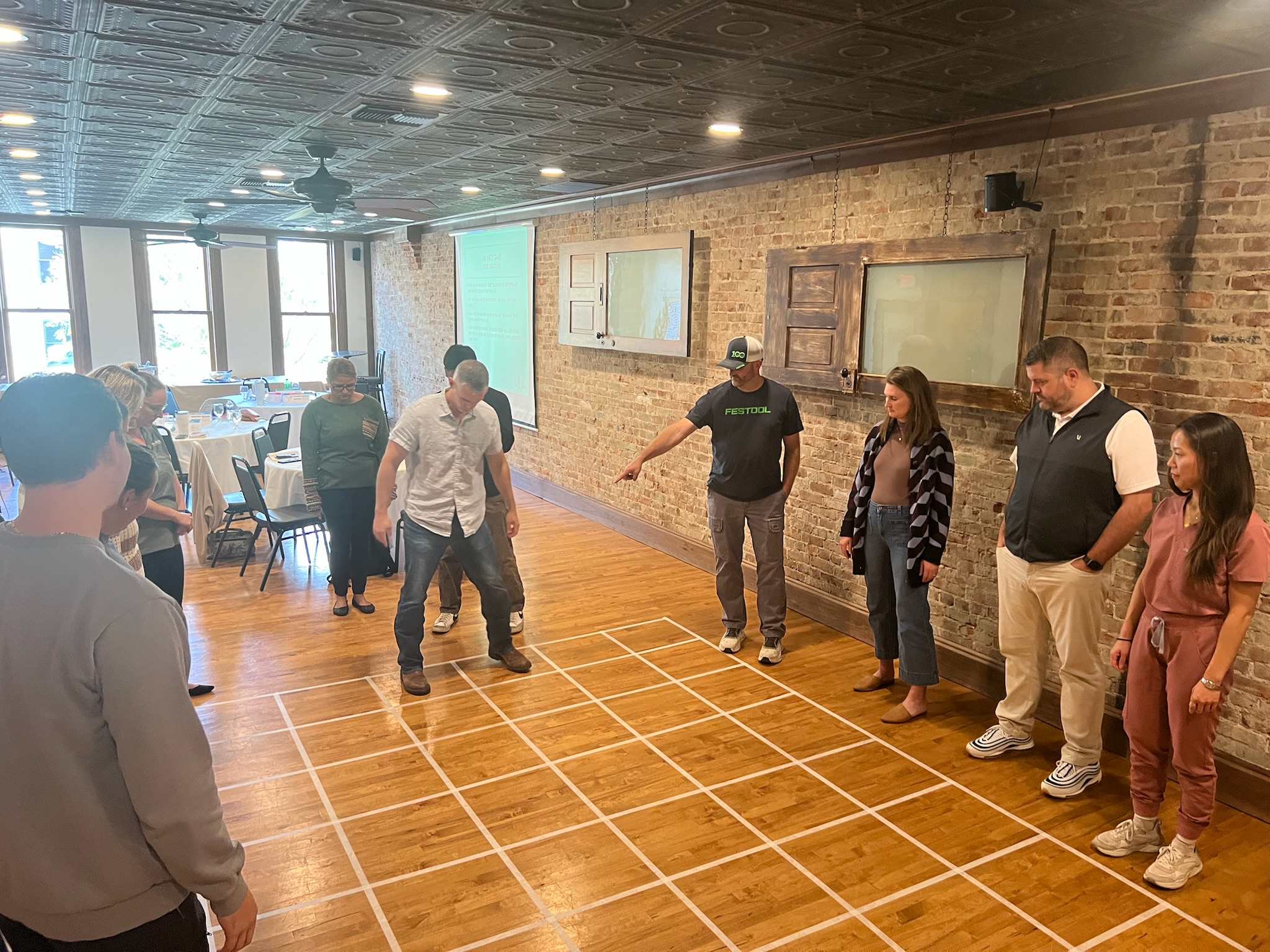
A Team Alignment Session is often a focused half-day or full-day session designed to help a leadership team step back, clarify priorities, address key dynamics, and align around next steps. This can be especially helpful when the team needs a reset, is preparing for a new season, or has been circling the same issues without resolution.
A Leadership Team Offsite creates more space for deeper work around strategy, communication, trust, accountability, and execution. These engagements are often useful when a team needs time away from the daily pace to name what is really happening, strengthen relationships, and come back with greater clarity about how to move forward.
For teams that need support beyond a single session, Ongoing Team Coaching can provide a monthly or biweekly rhythm to help leaders build healthier habits over time. This allows the work to move beyond conversation and into the repeated behaviors, decisions, and meetings that shape the culture.
In many cases, team work also reveals the need for Individual Leader Coaching. Key leaders may need support growing into larger roles, navigating difficult team dynamics, communicating more clearly, or leading with greater confidence. When helpful, team facilitation and one-on-one coaching can work together to support both the group and the individuals within it.
Outcomes We Are Working Toward
The desired outcome is not simply a better meeting or a more enjoyable offsite. The goal is a healthier, clearer, more aligned team.
That may show up as clearer roles, better decision-making, more productive leadership meetings, healthier communication, stronger ownership, and greater follow-through. It may also show up in less reactivity, fewer repeated conversations, and a stronger ability to name issues honestly and solve them constructively.
When leadership teams become healthier, the rest of the organization feels it. People know where the business is going. Leaders understand what they own. Meetings become more purposeful. Accountability becomes less personal and more normal. The organization gains momentum because the team at the center is working with greater trust, clarity, and discipline.
Recent Areas of Focus
Recent Team Alignment & Leadership Development work has included helping organizations clarify leadership roles and responsibilities, improve executive team meetings, strengthen accountability and ownership, navigate tension between departments or leaders, support emerging leaders, and create shared priorities for complex projects or seasons of growth.
In some cases, the work focuses on senior leadership alignment. In others, it reaches deeper into field leadership, project teams, or emerging leaders who are being asked to carry more responsibility. The common thread is helping leaders work together with greater clarity, trust, and ownership.
Connection to Executive Coaching
Team alignment often reveals individual leadership development needs. For that reason, some engagements include both team facilitation and private coaching for key leaders.
This allows the work to move beyond a single meeting or offsite and into the daily behaviors, conversations, and decisions that shape the team’s culture. When leaders receive individual support alongside the team process, the alignment work becomes more personal, practical, and sustainable.
Let’s Start With a Conversation
If your team is working hard but not fully aligned, the next step does not need to be complicated. We can begin with a conversation about what you are seeing, where the friction is showing up, and what kind of support may be most helpful for your team.