
Trust Is the Operating System Behind High-Performing Teams
 September 18, 2026
 No Comments
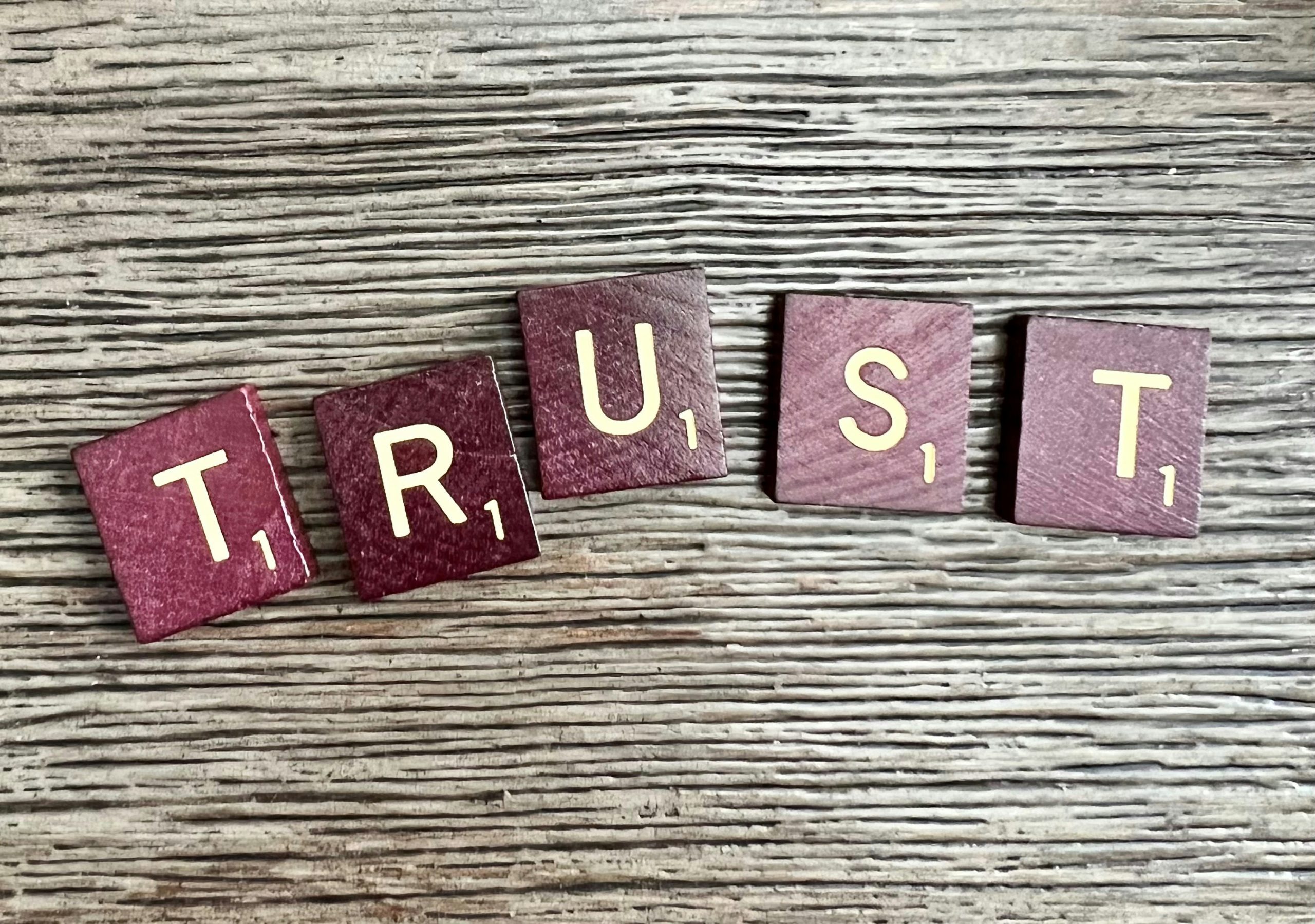
Trust is one of those words leaders use often, but rarely define. We know when it is present, and we also know when it is missing. When trust is strong, people say what needs to be said. They raise issues sooner, ask for help, admit mistakes, challenge one another without immediately assuming bad intent, and move forward with greater confidence. When trust is weak, conversations become filtered, assumptions grow, issues go underground, and people begin working around one another instead of directly with one another. That is why I have come to think of trust as something more than a relationship issue. Trust is part of the operating system of a healthy team.
Healthy leadership teams need truth. They need people who can say, “We are behind.” They need someone willing to say, “I don’t think this is working.” They need leaders who can acknowledge, “I made the wrong call,” or, “I need help.” None of that happens consistently without trust. Trust does not mean every conversation is comfortable. In fact, high-trust teams often have more candid conversations, not fewer. They can disagree without making disagreement personal, challenge one another without interpreting every question as criticism, and surface bad news while there is still time to do something about it. Trust makes truth possible.
Trust can feel intangible, but the behaviors that create it are usually very tangible. Three simple markers are especially useful: agreements are kept, important information is not withheld, and there are no hidden agendas. In other words, people do what they said they would do, they share what others need to know, and their motives are clear enough that others do not have to guess what is really going on. Trust is usually built through hundreds of ordinary moments. Did you follow through? Did you raise the issue directly? Did you admit the mistake? Did you keep the confidence? Did your actions match what you said? Over time, those moments create a reputation, and people learn whether they can trust you.
Leaders sometimes confuse trust with harmony, but they are not the same thing. A team can appear harmonious because everyone is avoiding difficult conversations. That is not trust. High-trust teams learn how to say what needs to be said without attacking the person saying or hearing it. They can separate the issue from the individual, question an idea without questioning someone’s character, and disagree without damaging the relationship. This kind of candor becomes especially important when a team is under pressure. When schedules tighten, expectations change, or performance begins slipping, the cost of avoiding uncomfortable conversations rises quickly. The issue no one wants to discuss today often becomes the problem everyone is forced to deal with later.
Accountability also changes depending on the level of trust in the relationship. When trust is fragile, accountability can feel like blame, control, or criticism. When trust is strong, accountability becomes a shared commitment to what the team said mattered. A trusted colleague can ask, “You committed to this. What happened?” without immediately creating defensiveness. A leader can challenge someone to step up because the relationship communicates a desire for that person to succeed rather than an expectation that they will fail. Healthy teams do not avoid accountability in order to preserve relationships. They build relationships strong enough to support accountability.
Most leaders understandably spend a great deal of time thinking about strategy, process, structure, schedules, financial performance, and execution. Those things matter. But beneath all of them is a relational question that is easy to overlook: do the people responsible for executing the work trust one another enough to tell the truth? When the answer is no, almost every other leadership system becomes less effective. Meetings become less honest. Problems emerge later. Decisions take longer. Accountability becomes more difficult. People spend energy protecting themselves rather than solving the problem. And leaders can find themselves working harder while the organization moves more slowly.
If you lead a team, project, or organization, it may be worth asking a few questions. Where are people comfortable telling the truth quickly? Where do people seem guarded? What important conversation keeps getting postponed? Are commitments consistently being kept? Are team members addressing issues directly with one another or working around each other? And perhaps the most personal question: what does my own behavior teach people about whether I can be trusted?
Trust is built slowly and can be damaged quickly, but it can also be strengthened intentionally. Keep agreements. Clarify expectations. Tell the truth sooner. Own mistakes. Address issues directly. Protect confidences. Assume good intent where appropriate. Follow through. These behaviors may appear relational, but their impact is operational. The stronger the trust within a leadership team, the easier it becomes to create clarity, accountability, healthy conflict, better decisions, and stronger execution. And in complex organizations and projects, that can make all the difference.
Take the Conversation Further
Want to use this with your own team?
Download The Foundation of Trust, a leadership discussion guide from Lasting Legacy Collective, for reflection questions and practical exercises you can use with a leadership team.
 Blog Home
Popular Posts
- Does God speak through yellow birds!
- Situational Leadership: Understanding Ken Blanchard’s Model
- Finding Purpose and Prosperity: The Timeless Wisdom of “The Traveler’s Gift”
- The Power of “Stop It”: Honoring Bob Newhart’s Wisdom for Business Owners
- Unlocking Success Through Generosity: A Summary of “The Go-Giver”
- Marriage Spotlight: Thomas & Sophie
- Trust Is the Operating System Behind High-Performing Teams
- When Good Teams Struggle to Execute
- Margin Fuels the Mission: Why Gross Profit Isn’t Just a Number
- A Day I’ll Never Forget…Again
Categories
- Business Leadership (268)
- Strategy & Planning (133)
- Systems & Tools (68)
- Team & Culture (165)
- Faith & Purpose (285)
- Marketplace Ministry (87)
- Spiritual Leadership (203)
- What Matters (46)
- Field Notes (3)
- Personal & Family (155)
- Family & Relationships (122)
- Life & Lifestyle (68)
- Uncategorized (1)
Leave a Reply